
Harnessing Nature: The Essential Guide to Rainwater Harvesting Solutions
Understanding Rainwater Harvesting
Rainwater harvesting is the collection and storage of rainwater for reuse, primarily for irrigation, flushing toilets, and even drinking when properly filtered. This sustainable practice helps mitigate water shortages and promotes responsible water usage.
Benefits of Rainwater Harvesting
- Cost Savings: By relying on harvested rainwater, you can significantly reduce water bills, especially in areas with high water rates.
- Environmental Impact: Capturing rainwater reduces runoff and helps to recharge groundwater supplies, contributing to a healthier ecosystem.
- Independence from Municipal Supply: Having your own water supply means you won’t be as heavily affected during municipal outages or water restrictions.
- Versatile Uses: Rainwater can be used for various applications such as irrigation, washing vehicles, and even household use after appropriate filtration.
Key Components of a Rainwater Harvesting System
A successful rainwater harvesting system consists of several components tailored to your specific needs:
1. Catchment Area
Your roof is typically the primary catchment surface. The size and the material of your roof will determine how much rainwater you can collect.
2. Gutters and Downspouts
Installing gutters and downspouts directs rainwater from the roof to your storage system, ensuring minimal loss during collection.
3. Storage Tanks
Choosing the right water tank is crucial. Considerations include:
- Size: Depending on your water usage and available space, choose an adequately sized tank.
- Material: Options include plastic, concrete, and steel, each with its advantages.
- Location: Ensure the tank is easily accessible for maintenance and provides proximity to your usage area.
4. Filtration System
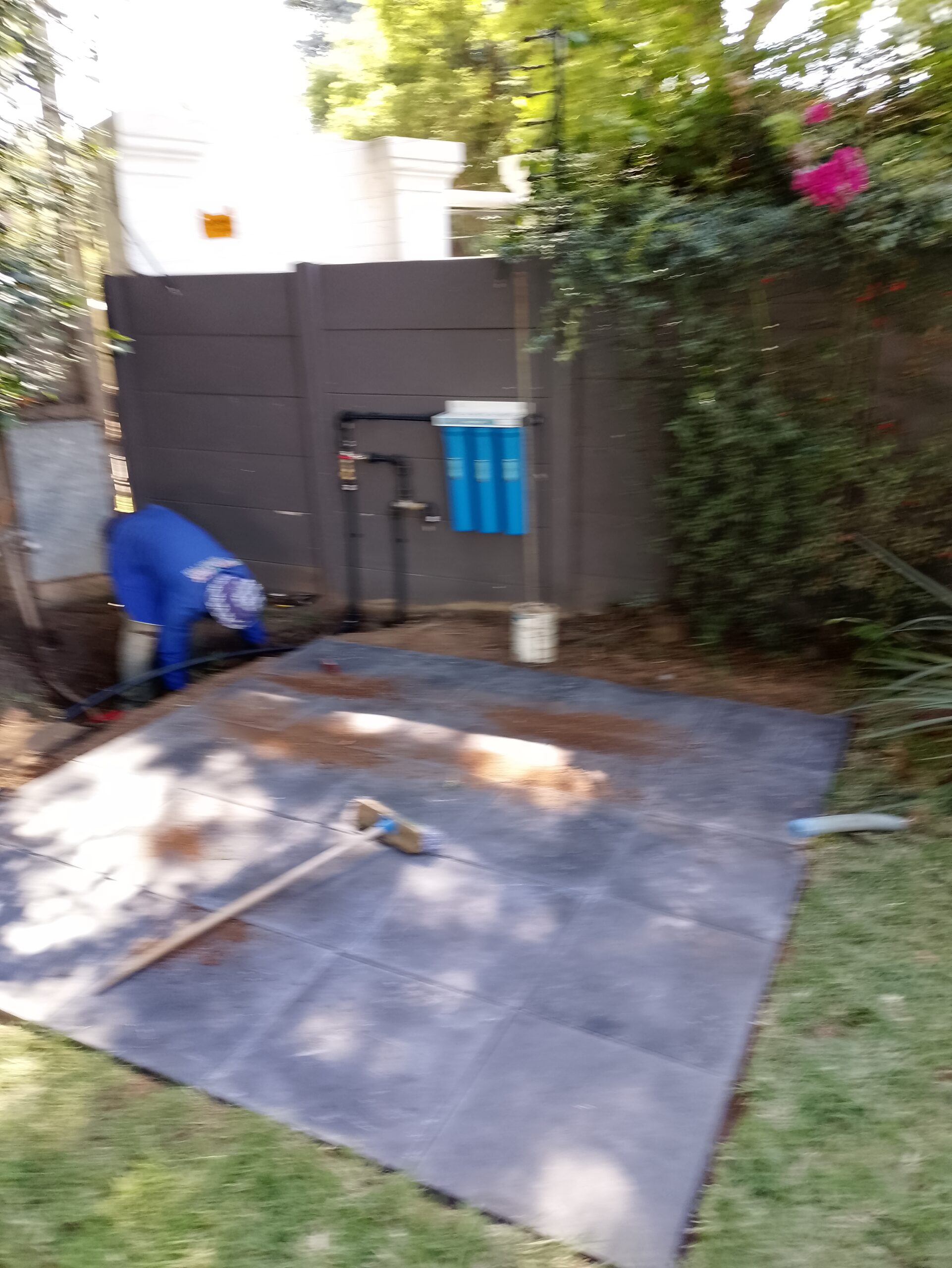
Integrating a filtration system helps clean the water before use, especially if you intend to use it in your home. Whole-house filtration systems can ensure that the water is safe for drinking and all other household applications.
Installation Tips
When considering rainwater harvesting installation, here are essential tips to guide you:
- Consult Professionals: Working with professionals like EES ensures your system is installed correctly and meets local regulations.
- Understand Local Regulations: Check for any legal requirements or restrictions regarding rainwater harvesting in your area.
- Use with Other Water Sources: Integrating with borehole or municipal water systems can provide a continuous water supply.
- Maintenance: Regularly clean gutters and tanks and inspect the entire system for leaks or blockages to ensure optimal performance.
Conclusion
Rainwater harvesting is an investment in your property and the environment. By taking advantage of this natural resource, you not only save money but also contribute to sustainable water management. EES is here to provide reliable and cost-effective rainwater harvesting solutions tailored to your needs. Explore how we can help you enjoy the benefits of having a dependable water supply while contributing to environmental sustainability.